
The Man in the Black Hat in Ulaanbaatar
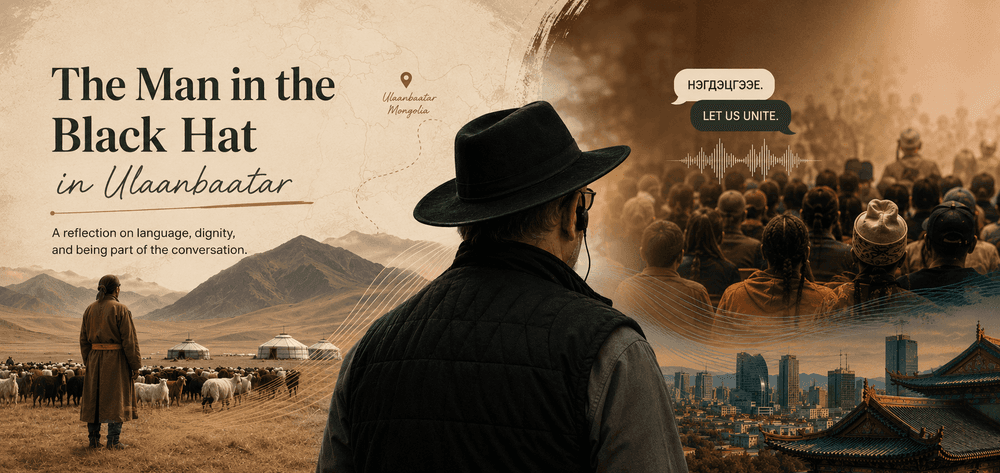
At the UN's Global Pastoralist Gathering in Ulaanbaatar, a herder in a black hat made a promise he didn't have to make. This is the story of what changed in that room and why it started in Nepal.
— Subin Hachhethu
Ulaanbaatar, 15 August 2026
It was 4:35 in the afternoon and I was standing at the back of the main hall of the Blue Sky Hotel and Towers, listening to Dr. Yasmine Fouad close the Global Pastoralist Gathering.
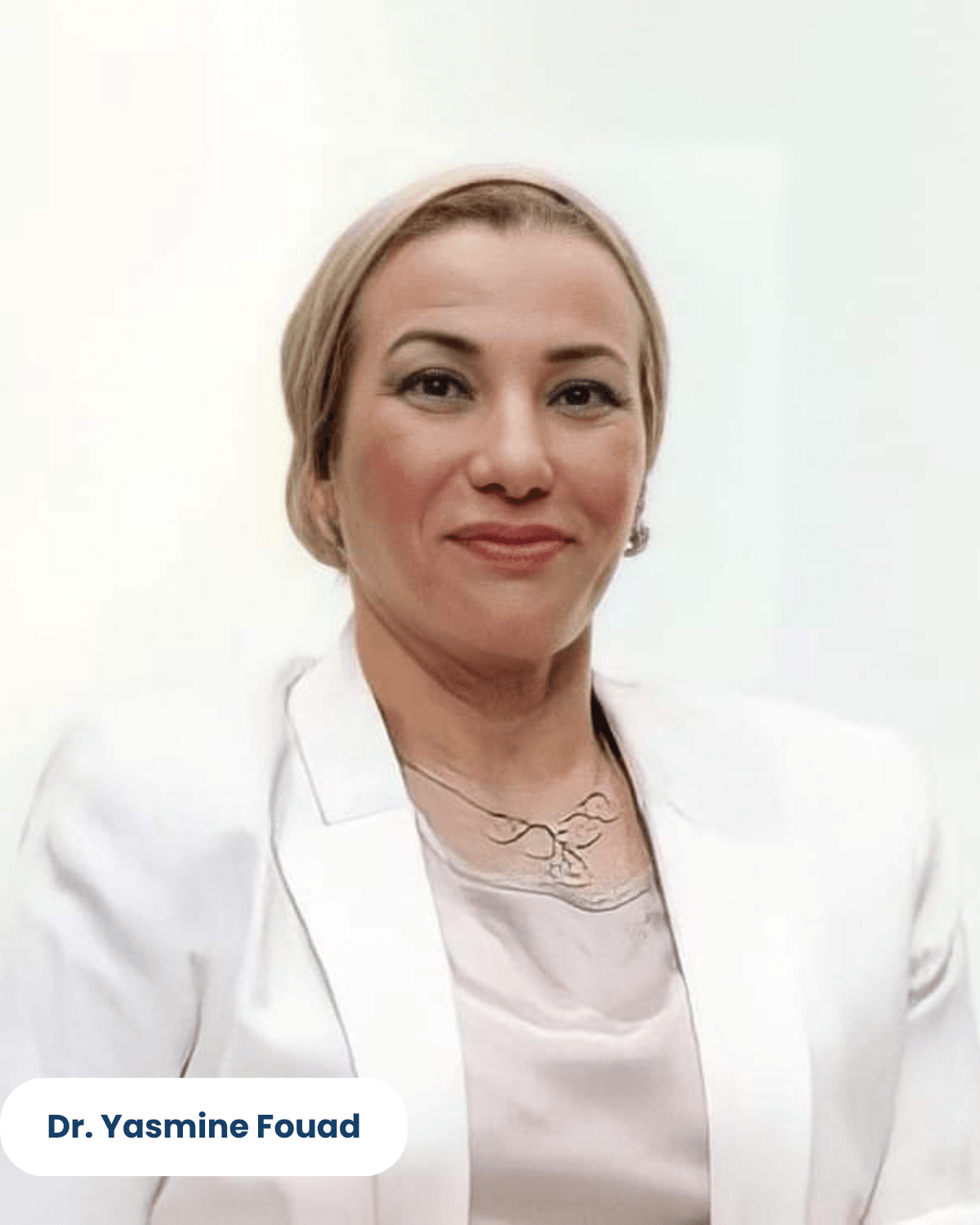
Dr. Fouad is the Executive Secretary of the United Nations Convention to Combat Desertification (UNCCD), and she did not spend her closing remarks on institutions. She spent them on people. She called the pastoralists and the herders in that hall heroes. She spoke about solidarity, about unity, about the fact that these communities have been holding the world's drylands together for centuries with very little help and even less credit. She promised that COP17 would be a COP of implementation, and that the needs of pastoralists would not just be heard there but acted upon.
The hall roared. Hundreds of people clapping at once, in a room where almost nobody shared a first language with the woman on stage.
A few minutes later a gentleman from Hungary walked up to me. Black sleeveless jacket, black hat. He took my hand and thanked me for helping him understand every single word Dr. Fouad had said, and for letting him take part in the discussions across the whole gathering. Then he said something I keep returning to. He told me that from now on, at every conference he attends, he will ask the organisers to have Omnio or something like it.
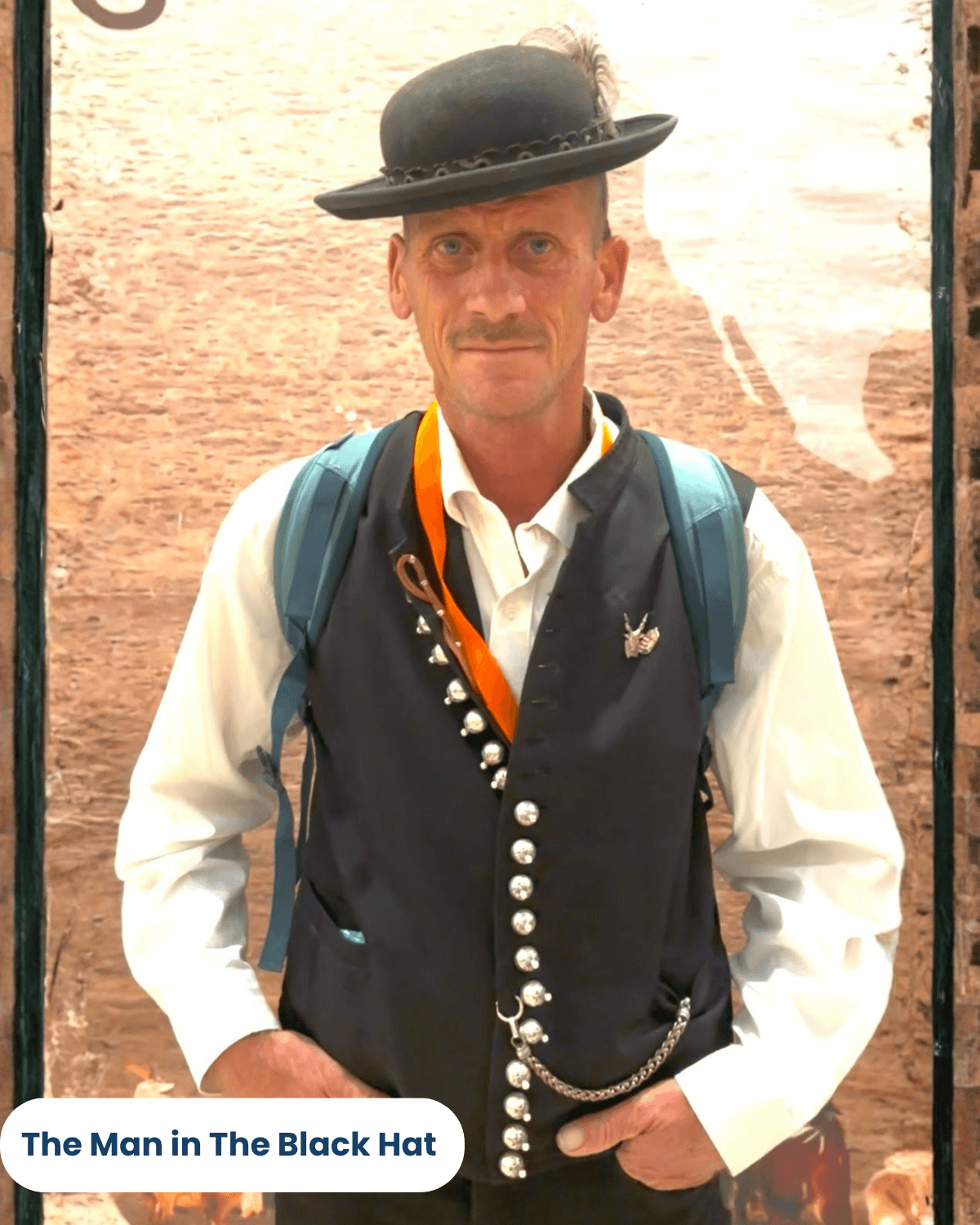
He remembered the name. That is a small thing and it undid me completely.
Omnio is the platform we built for events exactly like this one, so that a person who speaks any language can listen to a discussion happening in another language, understand it in real time, and speak back into it. I resist calling it translation software, because translation is only the mechanical part of what happens. What actually happens is that a person who was sitting in a room becomes a person who is in the room.
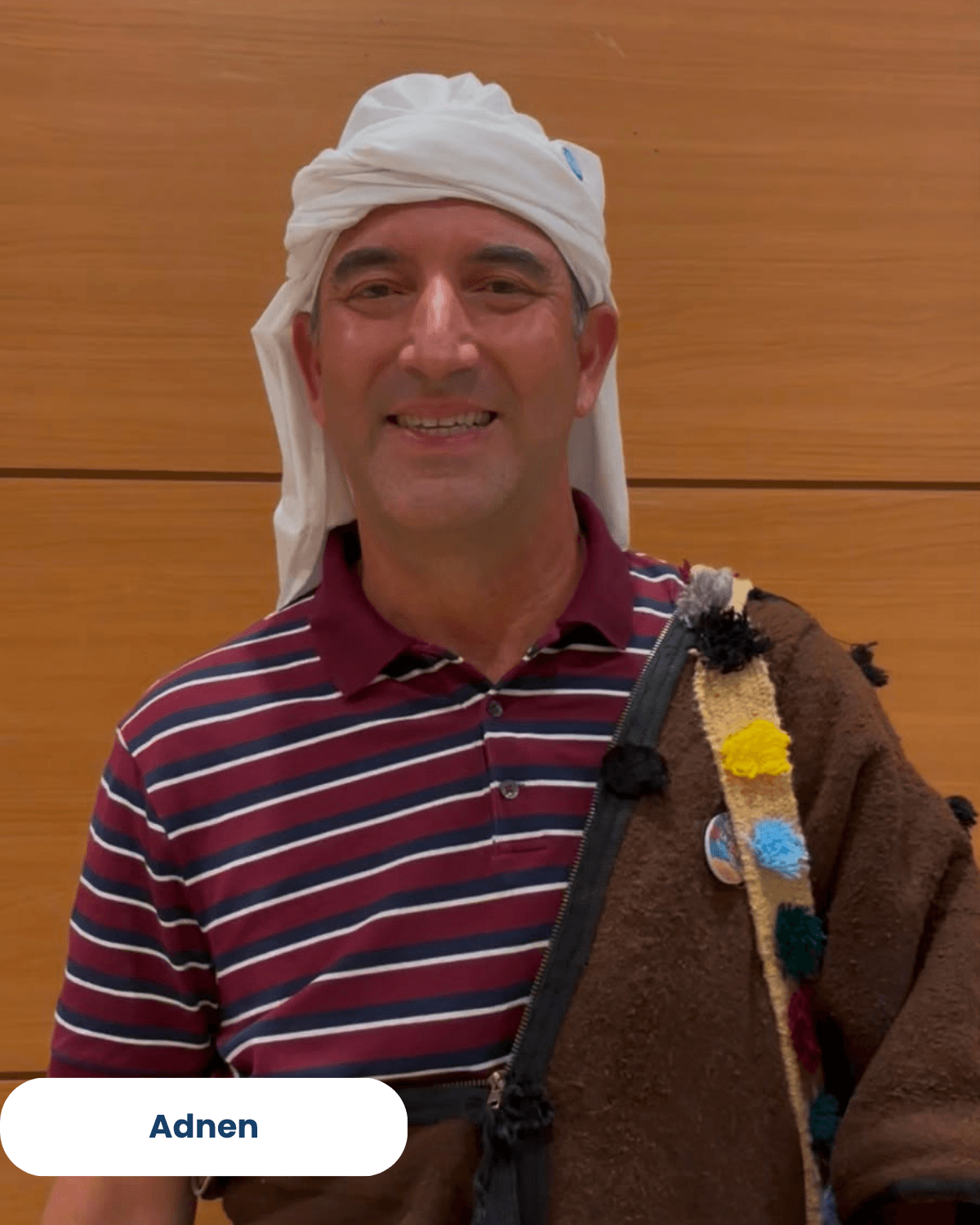
Then others came. A woman from Turkey, whom I had already met at the Global Gathering of Pastoralist Women where we also ran Omnio, took both my hands in hers. She smiled and did not need to say much. Adnen from Tunisia. Nurbu from Ladakh. Saijrah from China. All of them said a version of the same sentence, which is that they were able to be part of this event only because of Omnio. Adnen told me it was the best interpretation service he had used at any event, and he attends events like this every year. Coming from him, that landed hard.
I have been trying since that afternoon to name what I felt, and the closest I can get is this.
Language is not a tool we use. It is the water we swim in. The limits of your language are the limits of the world you can enter, and when you sit in a room where the important conversation is happening in a language you do not have, you are not merely inconvenienced. You are made smaller. You become someone the room refers to rather than someone the room speaks with. You are physically present and socially absent at the same time, which is one of the loneliest conditions a person can be put in, and it happens quietly, in air-conditioned halls, to people who have travelled thousands of kilometres to be there.
Think about who was in that room. Herders. People who read wind and grass and animal behaviour with a fluency most of us will never have in anything. People whose knowledge is precisely the knowledge the world now needs about drylands, drought, soil and survival. And under normal circumstances, those are the people who sit at the back with a polite smile while the discussion about their own lives is conducted over their heads in English.
We did not fix the world's inequality in Ulaanbaatar. We fixed one specific injustice for four days, which is that the people with the most to say were the least able to say it.
What I felt was not pride in a product. Pride in a product is a small feeling and it fades by dinner. What I felt was closer to relief, and underneath the relief, something like awe at how little it actually takes. A phone. An app. A person who can suddenly follow a sentence to its end. And from that, a man in a black hat who now believes he belongs in these rooms and intends to keep showing up.
Dignity, it turns out, is not abstract. It is being able to answer.
The organisers said their own version of it, and their faces said more than their words. Dr. Choi-Ish, Director at MOFALI, and Burmaa, Executive Director at Green Gold MRRC, both thanked us for what we brought to the gathering. Dr. Choi-Ish looked at me and said, "This is why we brought you from Nepal, and we are extremely happy."
I did not have a good reply. I still do not.
Because he was right about the distance. We brought Omnio from Nepal to Mongolia. From a small country that the world mostly associates with mountains and with the export of its own people's labour, to a hall in Ulaanbaatar where the United Nations was closing a global gathering. Nobody handed us that route. It was built out of nights that ran into mornings, of arguments about latency, of days when the thing broke in testing and we started again, of the particular exhaustion of building something when you cannot yet prove to anyone that it will matter.
There is a reason it came from Nepal, though. We come from a country of many languages, where the experience of sitting in a meeting conducted in someone else's tongue is not a hypothetical for anyone. We did not have to imagine the problem. We built the thing we ourselves had needed.
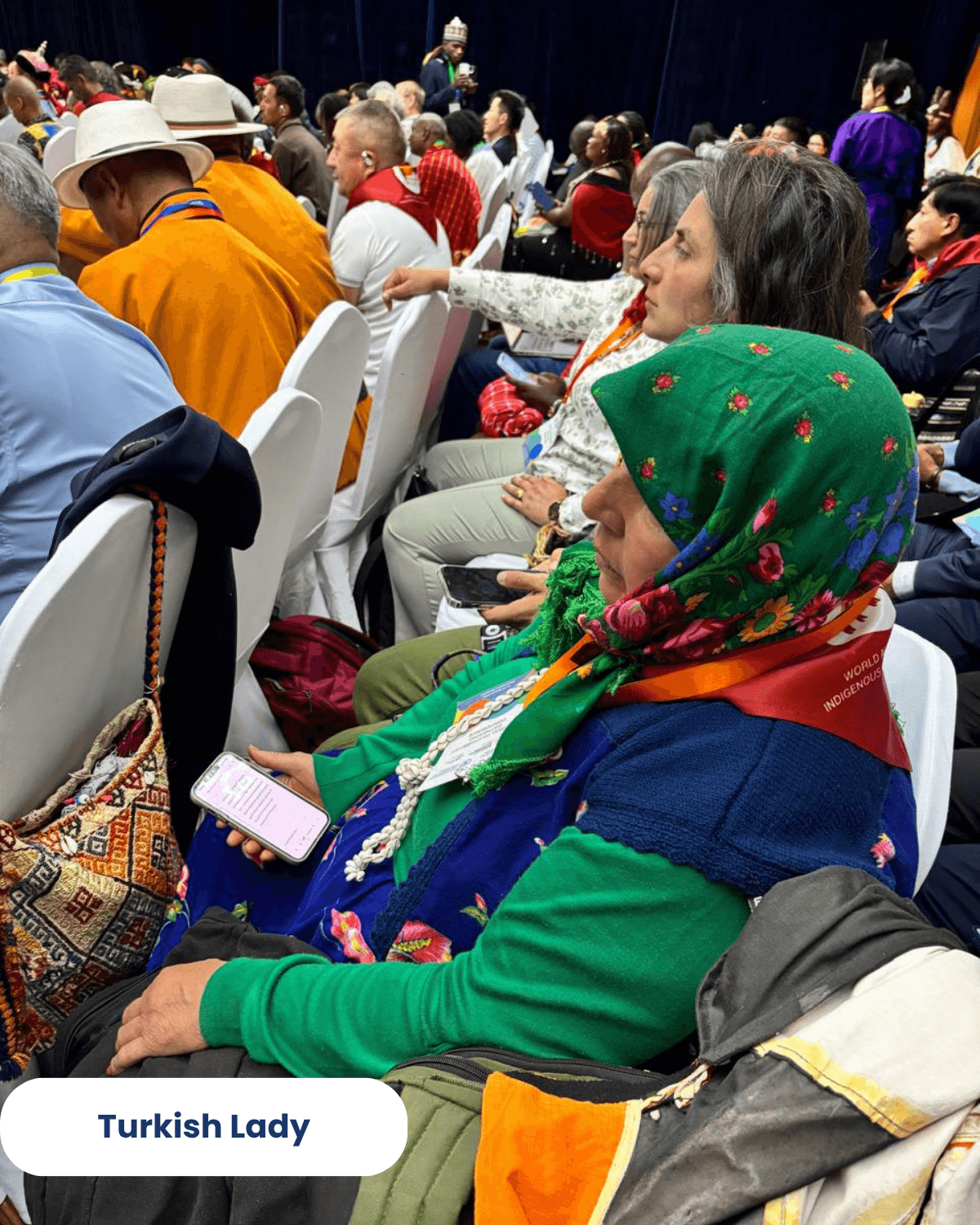
And on 15 August, in a room in Mongolia, a Hungarian, a Turk, a Tunisian, a Ladakhi and a Chinese delegate all told us it worked. That is the moment a product stops belonging to the people who wrote it and starts belonging to the people who use it. That is what global actually means. Not a market. A room.
Here is what I believe, and I want to state it plainly, because I think it is true and I think it is nowhere near as widely accepted as it should be.
Every voice in a room deserves to reach every other person in that room. Not a summary of it. Not a version of it filtered through whoever happened to be free to translate. The voice itself, with its argument, its hesitation, its anger and its jokes intact. A person who cannot follow a discussion cannot challenge it, cannot correct it, cannot add the one fact that changes it. Silence is not neutral. Every unheard voice is a decision made with less truth in it than it should have had.
The world does not lack good ideas. It loses them at the door, in the seconds where someone thinks of exactly the right thing to say and then realises there is no way to say it here. Omnio exists to keep that door open.
The road has only started. This gathering was one hall, four days, a few hundred people. There are thousands of rooms like it every year where the most important knowledge is sitting silent in the third row, and I intend for us to be in as many of them as we can get to.
But I will measure it by the man in the black hat. Not by contracts, not by countries, not by hours interpreted. By whether somebody who walked into a hall expecting to sit quietly walks out of it having been part of something, and remembers our name well enough to ask for us again.
He did. That is the whole business, and the whole reason for us to commit our days and nights to.
The Man in the Black Hat in Ulaanbaatar
At the UN's Global Pastoralist Gathering in Ulaanbaatar, a herder in a black hat made a promise he didn't have to make. This is the story of what changed in that room and why it started in Nepal.